What Does Upright Vacuum Mean? Parts and Types Explained
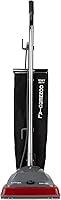
An upright vacuum is a floor cleaner with its main body, handle, and floor head joined in one standing unit. Its brush roll and suction collect debris as you push it across the floor.
On this page (7 sections)
An upright vacuum is a floor cleaner with its main body, handle, and floor head joined in one standing unit. Its brush roll and suction collect debris as you push it across the floor.
The upright shape keeps the controls, dust container, and handle together above the floor head. Some models also let you detach part of the body or use a hose and tools for furniture, stairs, and other spots a floor head can't reach.
What does upright vacuum mean?
An upright vacuum means a vacuum built as one standing unit for cleaning floors. The handle rises from the body, and the floor head sits at the bottom, where it moves over carpet or hard flooring.
That layout differs from a canister vacuum, which has a separate wheeled body connected to a floor head by a hose. If you're weighing the two layouts, see whether upright or canister vacuums are better for your home.
Uprights vary in how they collect dirt and what surfaces or tasks they suit. The word “upright” describes the form, not one exact set of features.
What are the main parts of an upright vacuum?
An upright vacuum's body, floor head, handle, and suction path do the core cleaning work. Filters and a dust cup or bag capture the dirt pulled into the machine.
What does the floor head do?
The floor head is the part that moves over the floor. Many upright heads hold a rotating brush roll that agitates carpet; some models also adjust the head or brush roll for different floor types.
A brush roll is not the same as suction. It helps loosen debris, while the vacuum's airflow carries debris into the dust cup or bag.
What do the body and filter do?
The body houses the motor and the dust collection system. A filter traps particles from the airflow, and some models use additional sealing or filtration features.
The dirt container may be a removable cup or a bag. Compare the upkeep involved in bagged and bagless vacuums.
What do the hose and attachments do?
A hose and attachments help clean places the floor head can't cover. Depending on the model, tools may reach upholstery, corners, stairs, or other above-floor areas.
Check which tools come with the vacuum and how it switches into above-floor use. Those details vary, even among vacuums with the same upright form.
What types of upright vacuums are there?
Upright vacuums mainly differ by how they collect dirt and how they handle floors or above-floor cleaning. A model may combine several of these features.
- Bagless upright: Dirt collects in a removable cup that you empty.
- Bagged upright: Dirt collects in a replaceable bag.
- Lift-away or lift-up upright: Part of the vacuum detaches or lifts away from the floor head for above-floor cleaning.
- Multi-surface upright: The head or brush roll is designed to work across more than one floor type.
A bagged model may suit you if you prefer replacing a bag instead of emptying a cup. The Kenmore Intuition Bagged Lift-Up is a bagged upright with a lift-up section, while the Eureka PowerSpeed NEU280 is a bagless upright with 5 height settings.
Read how long upright vacuums last for upkeep and replacement considerations over time.
Are upright vacuums only for carpet?
No. Some uprights are designed for both carpet and hard floors, but their brush roll and floor settings can affect how well they suit each surface.
A rotating brush roll can agitate carpet to loosen debris. On hard floors, a setting that stops or reduces brush-roll action may help limit debris scatter, if the vacuum offers that feature.
The Bissell CleanView Swivel 3836 has a triple-action brush roll and scatter-free technology for hard floors. Check the available floor settings and the manufacturer's care guidance for the surfaces in your home.
If pushing an upright feels difficult, brush-roll height, floor settings, and the vacuum's movement can all matter. See why an upright vacuum cleaner can be hard to push.
Can an upright vacuum clean stairs and furniture?
Some uprights can clean stairs and furniture when they include a hose, suitable tools, or a detachable section. A standard floor head is built for floors, so look for the parts that let you clean safely away from it.
The Shark Navigator Lift-Away NV352 has a detachable pod and includes a crevice tool, upholstery tool, and Pet Power Brush. Those parts provide options for above-floor areas, including stairs and furniture.
For any model, check how it converts and whether its hose and cord reach the area you need to clean. Don't balance a full upright on a stair if the manufacturer doesn't say that use is safe.
How do you choose an upright vacuum?
Choose an upright by matching its floor head, dirt collection, and above-floor features to your home. Start with your flooring and cleaning tasks, then compare the details that affect regular use.
- If you have mostly carpet, check the brush roll and any height or floor settings.
- If you have hard floors, look for a way to control the brush roll or reduce scatter.
- If you want to clean stairs or furniture, check for a hose, lift-away design, or useful attachments.
- If you prefer bags, choose a bagged model and check that replacement bags are easy to find.
- If you prefer a dust cup, consider how you'll empty and clean it.
The upright vacuum buyer's guide can help you compare models against your home's floors and needs. For pet hair, also consider a vacuum's brush roll and tools, rather than relying on the upright label alone.
What does upright vacuum mean for your home?
An upright vacuum is a standing floor cleaner with its handle, body, and floor head connected as one unit. Choose one based on your floors, preferred dirt collection, and whether you'll use it above the floor.
A bagged upright can suit you if you want a replaceable dirt container; a bagless one may fit if you'd rather empty a cup. Look for the right floor settings and attachments for your cleaning tasks, then compare options in our upright vacuum buyer's guide.
Frequently asked questions
What does upright vacuum mean?
An upright vacuum is a floor cleaner whose handle, main body, and floor head form one standing unit. You push it across the floor while its motor draws in dirt and its floor head agitates carpet or guides debris toward the suction opening.
What are the main parts of an upright vacuum?
Most upright vacuums have a handle, body, floor head, suction path, filter, and either a dust cup or bag. Many also have a brush roll under the head, wheels, a hose, and tools for edges, upholstery, stairs, or other above-floor areas.
Are all upright vacuums bagless?
No. Bagless uprights collect dirt in a removable dust cup, while bagged models send it into a replaceable bag.
Each type has upkeep: cups need emptying and cleaning, while bags need replacing when full or when the vacuum's instructions call for it.
Can an upright vacuum clean stairs?
Some can, if they have a detachable pod, lift-up body, hose, or tools that let you clean away from the floor head. Check how the model converts and how its cord and hose reach before choosing it for stairs.